Discover everything about the reindeer: fascinating facts, cultural significance, and how these northern animals inspire us in 2026.
The reindeer has held a special place in our collective consciousness for centuries. These majestic animals of the far north play an essential role in Arctic ecosystems, but also in the culture and imagination of people worldwide. From the traditional stories of indigenous peoples to the modern Christmas tradition, the reindeer connects us with nature and with one another. In 2026 this fascination continues unabated, as evidenced by the popularity of reindeer-themed motifs in art, design and even in our everyday planners and calendars.
The natural habitat of the reindeer
The reindeer, also called caribou in North America, belongs to the deer family and is perfectly adapted to extreme climatic conditions. These animals live mainly in the Arctic and sub-Arctic regions of Europe, Asia and North America, where they have evolved to survive in some of the world's most challenging environments.
Unique adaptations to cold climates
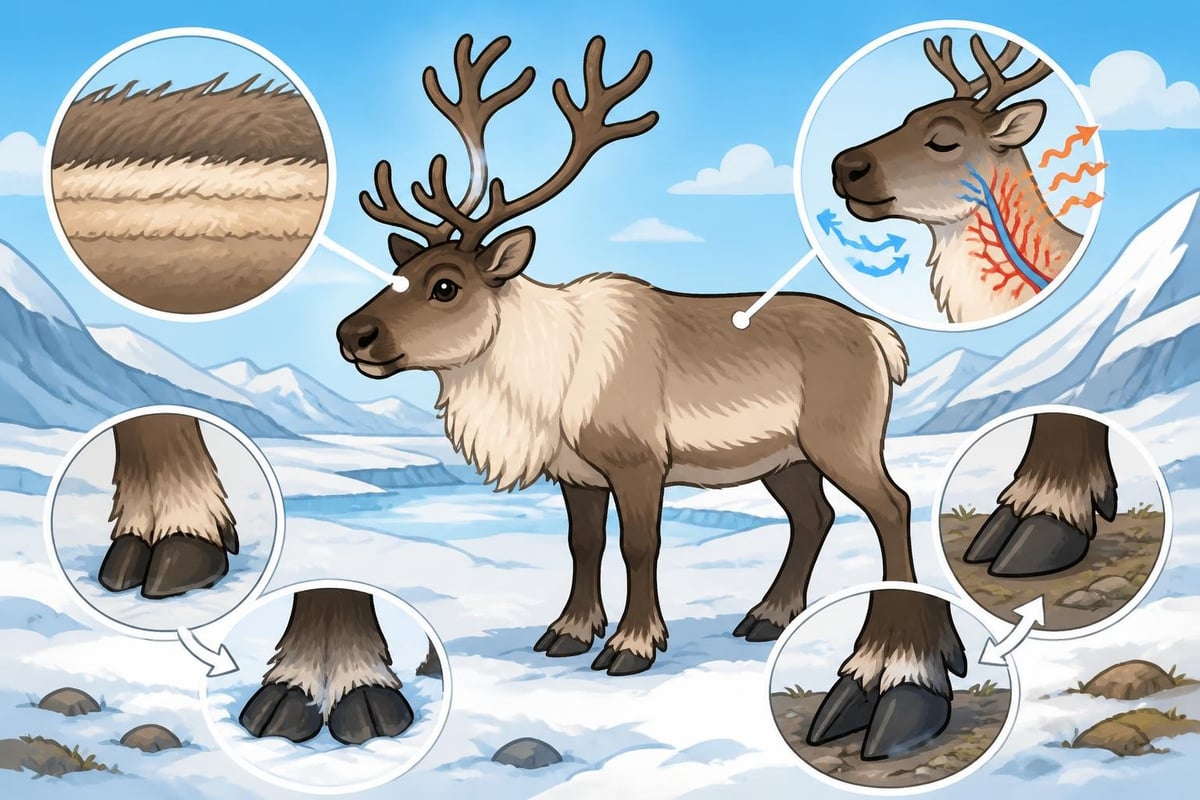
What makes the reindeer so special are the numerous adaptations produced by evolution. Their coat consists of two layers: a dense underfur that provides insulation and longer, hollow hairs that trap air for extra warmth. This combination keeps them warm at temperatures far below freezing.
Important physical features:
Wide, spread hooves that function like snowshoes
Ability to adjust their metabolism to the seasons
Excellent sense of smell to find food under the snow
Both sexes carry antlers (unique among deer)
Their hooves deserve special attention. In winter the soft pads under the hooves become harder, allowing the sharp hoof edges to grip ice. In summer these pads soften, which helps when walking on boggy tundra. This natural adaptation is a masterpiece of evolution.
Migration patterns and social structures
Reindeer are well-known migratory animals. Some populations travel more than 5,000 kilometers annually, making them record-holders among mammals for distance covered. These migrations follow seasonal patterns, with herds moving between summer grazing areas in the north and more sheltered wintering sites in the south.
The social structure of reindeer is complex and fascinating. Herds can range from small family groups to massive gatherings of tens of thousands of animals during migration periods. According to research on reindeer, dominance hierarchies play an important role, especially during the rutting season in the autumn.
Season
Location
Herd size
Primary activity
Spring
Moving north
Medium-sized
Birth of calves
Summer
Tundra
Small to medium
Feeding, building fat reserves
Autumn
Transition
Large
Mating, start of migration
Winter
Boreal forests
Variable
Survival, energy conservation
Cultural significance through the ages
The reindeer is much more than just a species. For indigenous peoples in the Arctic region the reindeer forms the core of their existence, culture and spirituality. This deep connection stretches over thousands of years and remains relevant to this day.
Reindeer herding among the Sámi
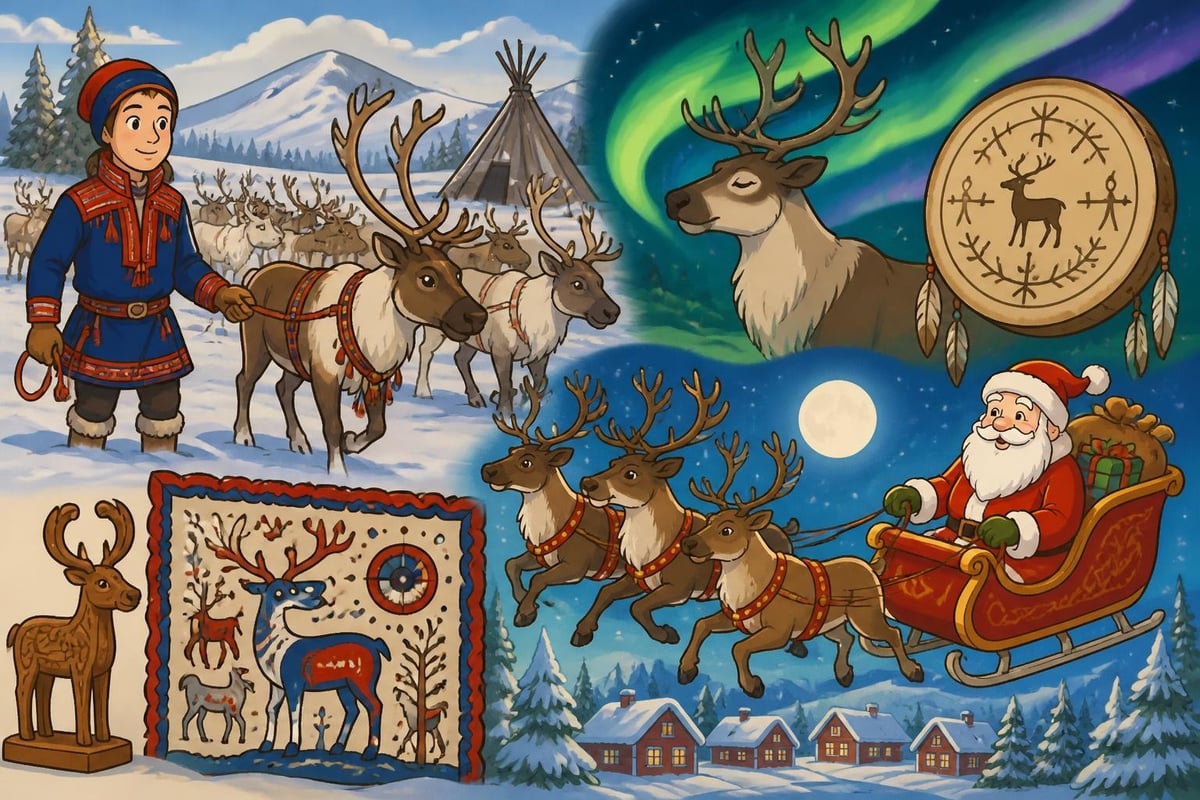
The Sámi, the indigenous people of Northern Scandinavia, have developed an age-old tradition of reindeer herding. This form of nomadic livestock farming is not only an economic activity but also a way of life that passes traditional knowledge from generation to generation.
Aspects of Sámi reindeer herding:
Seasonal migration with the herds
Sustainable management of grazing areas
Use of reindeer products for food, clothing and tools
Spiritual connection with the animals and the land
Transmission of knowledge through storytelling and practical experience
The knowledge that herders possess about individual animals, terrain, weather and ecology is incredibly detailed. An experienced Sámi herder can individually recognize hundreds of reindeer from his herd and knows their behavior patterns and personalities. This form of ecological expertise is not only learned but also felt and lived.
The reindeer in modern culture
In modern Western culture the reindeer has claimed a prominent place, especially around the Christmas period. The popular depiction of Santa Claus with his reindeer-drawn sleigh, led by the famous reindeer Rudolph with his red nose, is a story that millions of children (and adults) around the world know and cherish.
This cultural adoption has transformed the reindeer from an Arctic mammal into a symbol of magic, wonder and the holidays. In 2026 we see this iconography returning in countless forms: from decorations to art, from children’s books to design products. For collectors of art planners and calendars this provides inspiration for beautiful winter themes, as seen in the Angela Harding agenda 2027, where nature themes are central.
Ecological role and nature conservation
The reindeer plays a crucial role in Arctic and subarctic ecosystems. As herbivores they influence vegetation through their grazing, which in turn affects other species and the overall ecological balance of their habitat.
Impact on vegetation and landscape
By grazing on mosses, lichens, grasses, and other plant species, reindeer keep vegetation in certain areas short and varied. This grazing behavior prevents a few plant species from becoming dominant and creates diverse microhabitats for smaller organisms. Their hooves dig through the snow, creating winter access to food not only for themselves but also for other species.
In some areas the landscape is literally shaped by centuries of reindeer presence. Their migration routes form visible paths across the land, and their preference for certain resting and grazing sites influences vegetation composition over large areas.
Ecological functions:
Seed dispersal via their fur and droppings
Nutrient transport between ecosystems through migration
Food source for predators such as wolves and bears
Habitat modification by grazing behavior
Threats and conservation measures
Unfortunately, several reindeer populations are under pressure. Climate change poses a serious threat because it disrupts the timing of seasons, alters snow conditions, and affects food availability. Freezing rain, for example, can form a hard crust on the snow that reindeer cannot dig through to reach lichens.
Human activities such as infrastructure development, mining, and industrial expansion also fragment reindeer habitat and impede their migration patterns. This is especially problematic because reindeer depend on large, uninterrupted areas to migrate between seasonal habitats.
Threat
Impact
Conservation measure
Climate change
Changed snow, timing of vegetation
Monitoring, habitat protection
Habitat fragmentation
Disrupted migration routes
Wildlife corridors, land-use planning
Industrial development
Habitat loss
Protected areas, regulation
Hunting and predation
Population pressure
Quota systems, predator management
Reindeer in art and inspiration
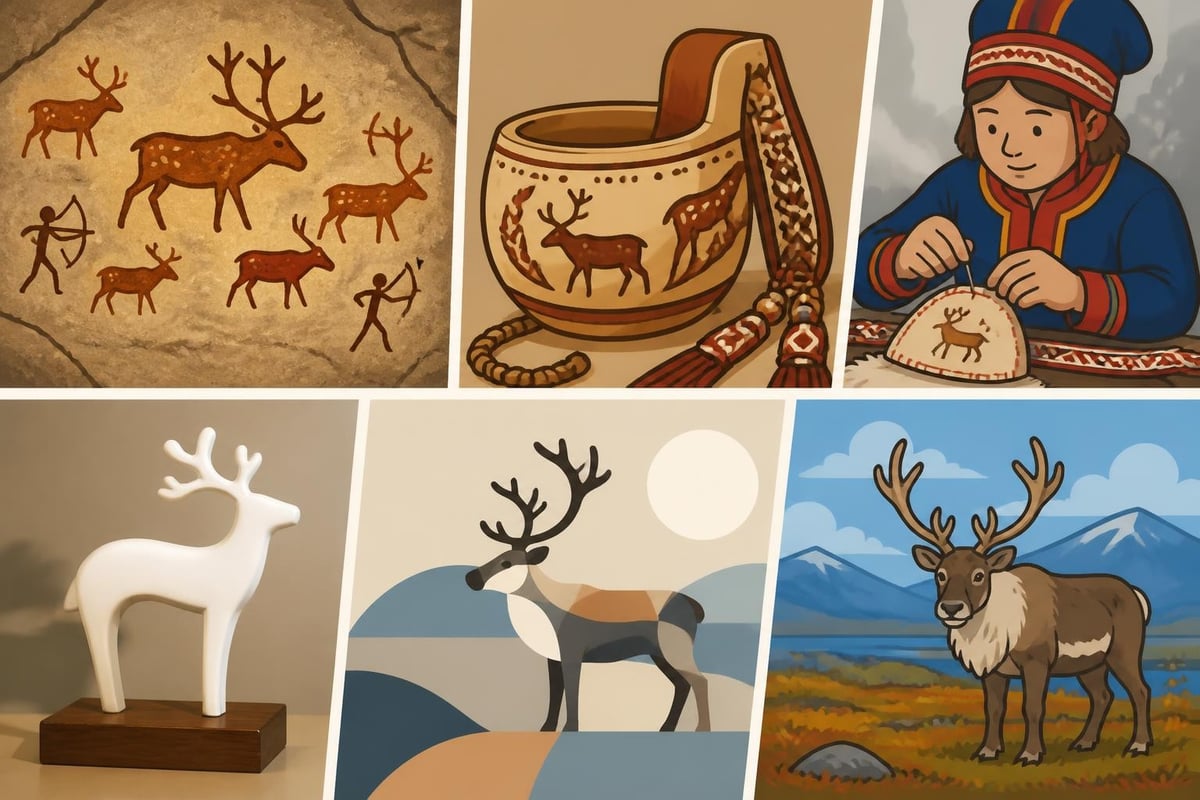
The aesthetic beauty of the reindeer has inspired artists through the centuries. From prehistoric cave paintings to contemporary photography, the reindeer appears in countless artistic expressions that celebrate the natural world.
Historical representations
More than 15,000 years ago reindeer were depicted in cave paintings by early humans who hunted these animals for food and materials. These ancient artworks show not only the shape of the animal but also movement, herd behavior, and the relationship between humans and animals.
In Scandinavian and northern art the reindeer has always held a prominent place. Traditional Sámi crafts use reindeer motifs in textiles, silverwork and duodji (traditional handicrafts). These artistic traditions are continued and modernized today by contemporary indigenous artists.
Modern interpretations and design
In 2026 we see renewed interest in nature themes and Arctic motifs in design and illustration. The reindeer lends itself perfectly to stylish, minimalist designs that capture the essence of the northern wilderness. For fans of nature-inspired calendars and planners, this offers rich possibilities.
Those looking for nature-themed planners can find inspiration in collections such as the Vincent van Gogh agenda 2027 or the Moomin agenda 2027, both of which celebrate the beauty of nature in their own unique ways.
The Dutch word "rendier" comes from the Old Norse word "hreinn" and reflects the long history of contact between Northern European cultures and these animals. This etymological connection links the Dutch language to the northern regions where reindeer belong.
Reindeer in education and awareness
The story of the reindeer offers valuable lessons about adaptation, survival and the interconnectedness of ecosystems. More and more educational programs use the reindeer as a gateway to teach children and adults about Arctic ecology, climate change and indigenous cultures.
Reindeer as ambassadors for conservation
Because reindeer are charismatic megafauna (large, conspicuous animals that attract public attention), they serve as excellent ambassadors for broader conservation efforts. Protecting reindeer requires preserving vast, pristine landscapes, which automatically benefits countless other species.
Documentaries, wildlife photography and educational materials about reindeer help reach a wide audience and raise awareness. In a time when many people have become alienated from nature, stories about reindeer provide a connection to wild places and the power of natural processes.
Educational themes:
Climate change and ecosystem changes
Indigenous knowledge systems and sustainable land use
Migration and seasonal adaptations
Biodiversity and ecological relationships
Cultural diversity and traditional ways of life
Planning and organization with nature awareness
For people who want to organize their daily lives with an awareness of natural cycles and seasons, using nature-themed planners and calendars can be a daily reminder of the beauty and fragility of our natural world. Choosing products that reflect this connection, such as the Emma J Shipley Bosque Dreams agenda 2027, can inspire a more mindful lifestyle.
Historical and cultural calendars, such as the Medieval Herbal agenda 2027, also show how people have historically aligned their lives with natural patterns and seasons. This tradition of connectedness to nature is something we can embrace again in 2026.
Seasonal cycles and reindeer life
A reindeer's life is entirely determined by the seasons. These rhythmic changes in behavior, physiology and location offer a fascinating insight into how animals adapt to extreme environments.
The spring rebirth
As the days lengthen and the first signs of thaw appear, pregnant female reindeer begin their migration to calving areas. These sites, often on higher tundra land, offer shelter and rich forage for the newborn calves. A reindeer calf can stand within an hour of birth and soon keeps up with the herd.
The spring period is crucial for the survival of calves. Timing is essential: they must be born when fresh vegetation emerges, but before insect outbreaks are at their worst. Climate change disrupts this delicate timing, which is one of the biggest concerns for reindeer populations.
Summer: time of abundance and pests
The Arctic summer brings long days with 24-hour sunlight, an explosion of plant growth and, unfortunately, swarms of mosquitoes and other biting insects. Reindeer respond by moving to higher, windier areas where insects are less numerous. They often gather in large groups, which helps reduce the burden of insects.
During this period reindeer build fat reserves that are essential for surviving winter. They can store up to 40% of their body weight in fat, which serves as an energy reserve and insulation.
Autumn: the rutting season
September and October mark the rutting season for reindeer. Male reindeer, having grown impressive antlers, fight for dominance and access to females. These fights are spectacular but rarely fatal; they usually end when one bull withdraws.
After the rutting season, male reindeer shed their antlers, while females retain theirs until after their calves are born in the spring. This unique pattern helps pregnant females find food in winter by digging through snow.
Winter: surviving in extremes
Winter tests reindeer endurance to the extreme. Their metabolism slows, they burn through fat reserves and sometimes dig through more than a meter of snow to reach their main food source, lichens. These lichens grow extremely slowly, sometimes only a few millimeters per year, making sustainable management of winter grazing areas crucial.
As we look ahead to the rest of 2026 and beyond, the future of reindeer increasingly depends on how we as a species respond to climate change and conservation. The resilience reindeer have shown through thousands of years of climatic shifts is now being tested by the pace of contemporary change.
Collaboration between traditional knowledge and modern science
One of the most promising developments in reindeer conservation is the growing recognition of the value of traditional ecological knowledge. Scientists are now working with indigenous herders to develop monitoring and management strategies that combine scientific data with centuries-old observations.
This hybrid approach has already led to better predictions of population trends and more effective conservation measures. It also demonstrates how different knowledge systems can complement and strengthen each other in service of nature conservation.
Areas of collaboration:
Population monitoring and health assessments
Identification of critical habitats and migration corridors
Adaptation strategies for climate change
Conflict management between reindeer and human activities
Education and awareness programs
Personal connection to the natural world
In our increasingly digitized world of 2026 it is more important than ever to find ways to stay connected to the natural world. The story of the reindeer reminds us that we are part of a larger web of life, and that our choices impact ecosystems across the globe.
Whether it’s choosing sustainable products, supporting nature conservation, or simply taking time to observe and appreciate the seasons, every action contributes. For many, this connection begins with small, daily choices, such as selecting inspiring planners and calendars that celebrate the beauty of nature.
The reindeer remains a powerful symbol of adaptability, natural beauty and cultural richness. From the Arctic tundra to our collective imagination, this remarkable animal connects us to the wonders of the natural world and reminds us of the importance of conservation and respect for all life forms. At Kalenderwinkel.nl you’ll find a wide range of calendars and planners for 2027 that are perfect for planning your year while staying inspired by the beauty of nature and art, with convenient payment options and reliable shipping via PostNL, DHL or UPS.