Discover the fascinating world of stationery: pens, pencils, and planners. From ergonomics to sustainability, everything about your perfect writing supplies.
There is something magical about the moment the pen meets paper. Whether you’re jotting down your thoughts in a journal, marking an important appointment in your planner, or sending a handwritten card to a loved one: writing tools connect us to our creativity and organization. In a world that is becoming increasingly digital, the demand for quality pens, pencils and writing supplies remains strong. In fact, many people are rediscovering the value of handwriting and tangible planning. For lovers of beautiful agendas and planners, choosing the right writing tools is just as important as choosing the calendar itself.
The rich history of writing instruments
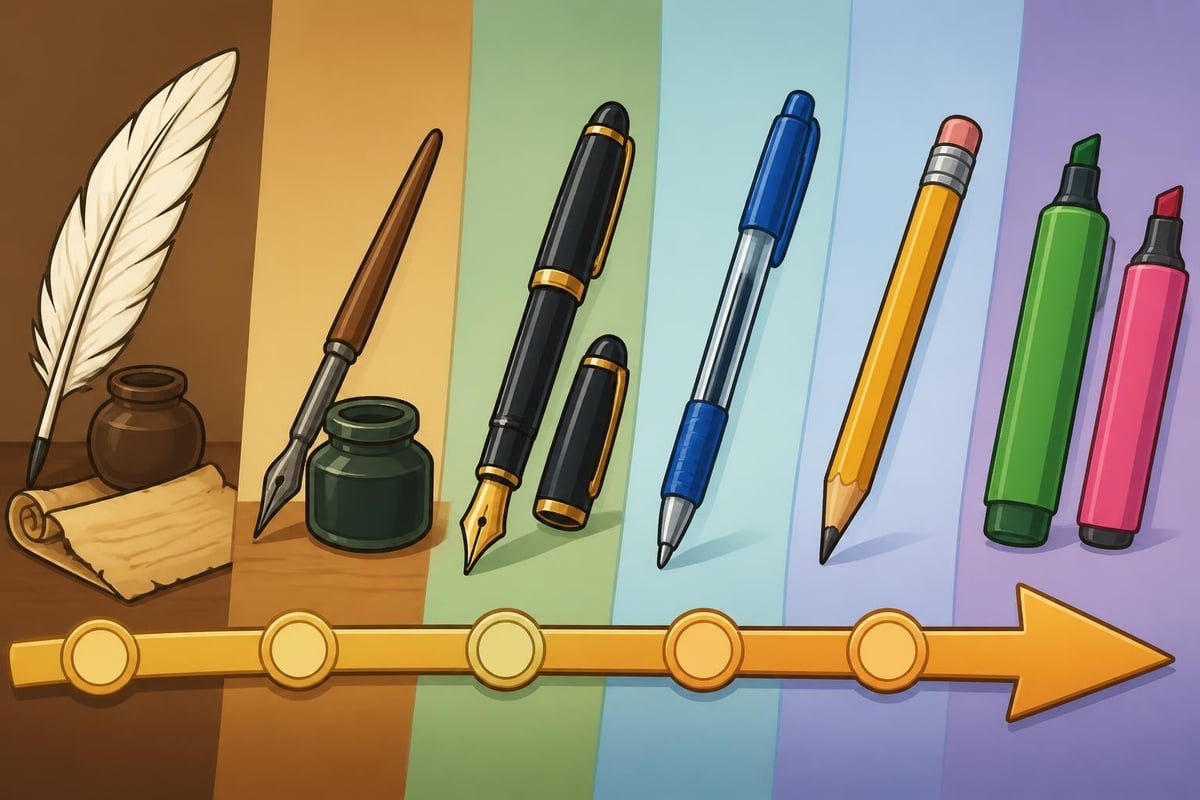
Writing instruments have a story that goes back centuries. Long before ballpoints and gel pens appeared, people wrote with quills, reed pens and later fountain pens. These historical writing tools tell the story of communication and knowledge transfer across generations.
From craft to industry
In the nineteenth century the production of writing instruments transformed from small-scale craft to large-scale industry. Factories began mass-producing pens and pencils, making writing supplies accessible to everyone. This democratization of writing tools had enormous effects on literacy and education.
The fountain pen, once a luxury item, became an everyday tool. Pencils evolved from simple graphite sticks into carefully designed writing instruments with different hardnesses. This evolution made it possible for every writer, from schoolchildren to artists, to find the perfect tool.
The science behind good writing tools
What makes a pen or pencil actually good? The answer lies in a fascinating mix of ergonomics, materials science and motor skills. Research on handwriting and pen grip shows that the right writing instruments significantly contribute to writing comfort and legibility.
Ergonomics and ease of use
The way we hold a pen not only affects our handwriting but also how long we can write comfortably. Good stationery takes into account:
Thickness and weight: A balance between control and comfort
Grip zone: Textured surfaces for better hold
Pressure distribution: Designs that reduce hand fatigue
Ink flow: Smooth writing without excessive pressure
For children learning to write, these factors are even more important. Scientific research confirms that ergonomic writing tools support the development of writing skills. That is why many parents consciously choose quality pencils and fountain pens when their children go to school.
Ink chemistry and safety
Modern stationery uses advanced ink formulations. These must not only write well but also meet strict safety requirements. The European product safety regulations set clear requirements for stationery intended for use by children.
Inks often contain complex mixtures of pigments, solvents and stabilisers. The printing ink guidelines provide insight into which substances should be excluded to ensure safe products. This concern for safety is essential for stationery used daily by millions of people.
Sustainability in the stationery industry
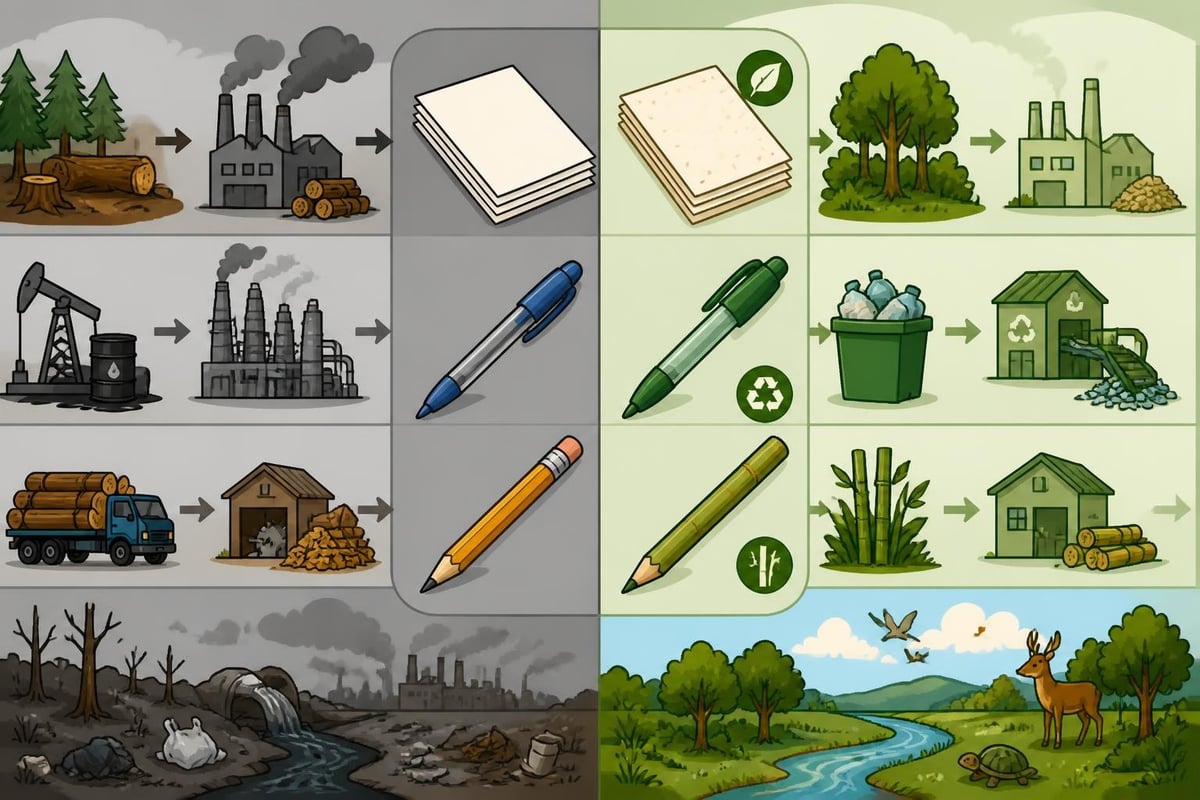
The production of stationery faces significant sustainability challenges. Paper, plastic and metal form the basis of many writing tools, and demand for responsible production is growing.
Paper and certification
Notebooks, notepads and of course planners consume significant amounts of paper. FSC certification guarantees that the paper in stationery comes from responsibly managed forests. For consumers who value sustainability, this label is an important point of reference.
The paper recycling rate in Europe is now around 71%, showing that the industry is taking serious steps. Recycled paper is finding its way into more and more stationery, from simple notepads to high-quality planners.
From plastic to alternative materials
Material type
Advantages
Disadvantages
Applications
Traditional plastic
Cheap, durable
Not biodegradable
Pen cases, markers
Recycled plastic
Reduced waste
Higher costs
Pens, scissors
Bioplastics
Renewable raw material
Limited lifespan
Disposable pens
Wood and bamboo
Natural, biodegradable
More expensive to produce
Pencils, pen holders
The shift toward sustainable materials is more than a trend. Writing supply manufacturers are experimenting with innovative solutions such as plant-based inks, recycled plastics, and biodegradable components. Experts expect these alternatives to become mainstream by 2027.
Writing supplies for different purposes
Not all writing supplies are created equal. Different activities require specific instruments, from quickly jotting down ideas to creating artworks.
Business use and office supplies
In the office, writing supplies form the backbone of daily communication. Notepads sit ready by the phone, pens sign contracts, and markers highlight key points during presentations. The choice of writing supplies in the workplace often reflects company culture.
Luxury fountain pens symbolize prestige for important signings. Ergonomic ballpoint pens support employees who do a lot of manual writing. Whiteboard markers facilitate brainstorming sessions and team meetings. This diversity makes writing supplies indispensable in modern work contexts.
Creative use and artist supplies
For creatives, writing instruments are more than functional tools; they are extensions of their artistic expression. Different types of writing supplies open up unique creative possibilities:
Pencils in various hardnesses for drawings and sketches
Fineliners and technical pens for detailed work
Markers and felt-tip pens for colorful illustrations
Brush pens for calligraphy and hand lettering
Colored pencils for mixed techniques
Artists deliberately invest in high-quality writing instruments because quality is directly visible in the final result. The richness of an ink-black, the precision of a pencil line, the vibrancy of a marker color – these qualities make the difference between amateur work and professional artistry.
Educational materials and school supplies
Children first encounter writing supplies at school. These early experiences shape their relationship with handwriting and learning. That’s why choosing school supplies deserves careful consideration.
Thick triangular pencils help young children develop their tripod grip. Erasable pens allow room for mistakes and the learning process. Colorful markers make learning visually engaging. The right writing supplies support children on their educational journey, from preschool to secondary school.
In 2027 the combination of planners and quality stationery remains a powerful organization system. Digital tools offer convenience, but handwritten planning has unique cognitive benefits.
The power of handwriting in planning
Physically writing down tasks and appointments activates different parts of the brain than typing. This explains why so many productivity experts swear by analog planning systems. The choice of pen or pencil thus becomes part of the planning strategy.
Some planners prefer pencil because it offers flexibility. Others choose permanent ink to symbolize commitment. Still others use a color-coded system with different pens for work, personal life, and hobbies. This personalization makes stationery more than instruments – they become part of your identity.
Bullet journaling and creative planning
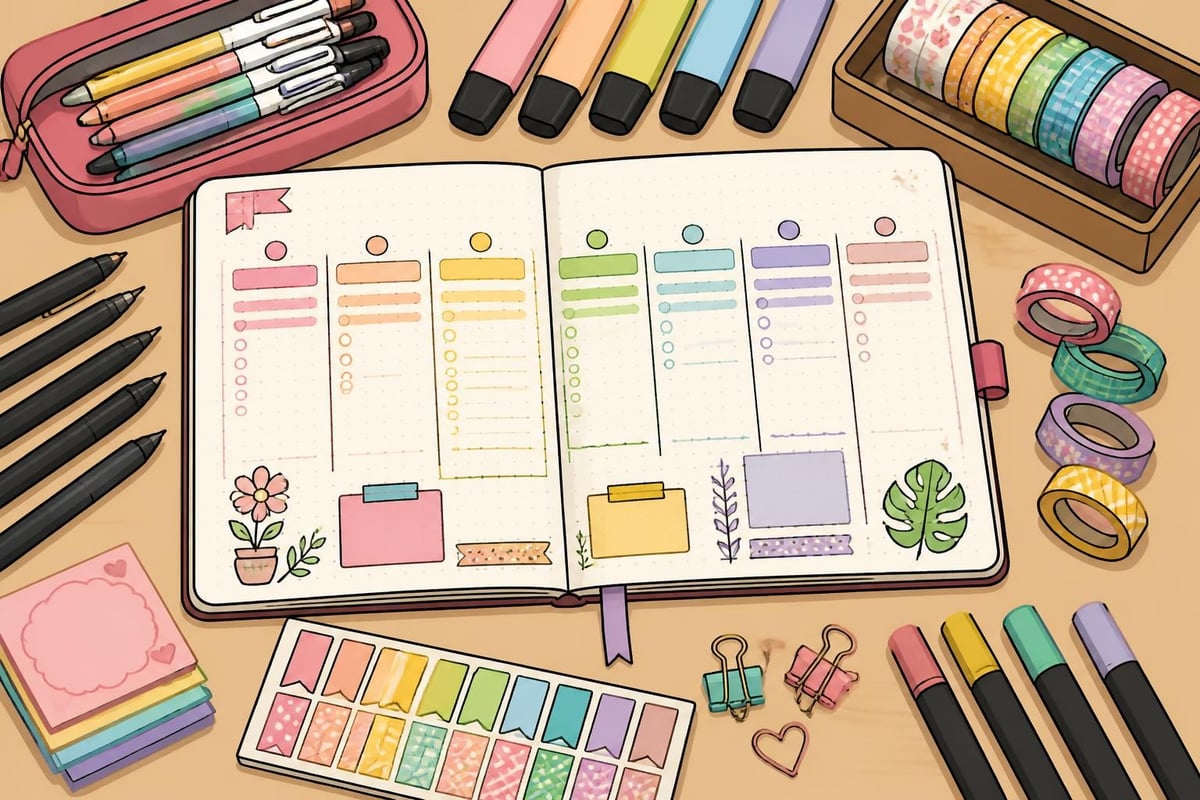
The popularity of bullet journaling has revolutionized how people use stationery. This method combines planning with creativity and requires a carefully selected toolkit:
Dotted or grid notebooks as a canvas
Fine fineliners for headers and spreads
Markers or brush pens for color accents
Washi tape and stickers for decoration
Different pen widths for variety
This trend has hugely increased demand for specialized stationery. Manufacturers respond with products specifically designed for journalers, from ghost-proof paper that prevents bleed-through to pens with water-resistant ink.
Market trends and consumer behavior
The Dutch market for office supplies and stationery shows interesting patterns. Despite digitization, demand for quality writing supplies remains stable, with consumers choosing durability and quality over volume.
Premiumization of stationery
There is a clear shift toward high-quality stationery. Consumers buy less often but invest in better quality. This trend reflects a broader societal movement toward conscious consumption and appreciation for craftsmanship.
Luxury brands are increasing their market share, while disposable items are losing popularity. Fountain pens, once nearly displaced by disposable pens, are experiencing a renaissance. People are rediscovering the pleasure of writing with an instrument that can last generations.
Seasonal patterns and purchasing behavior
Period
Popular products
Reasons to buy
August–September
School notebooks, pencils
Back to school
November–December
Luxury pen sets, journals
Gift season
December–January
Agendas, planners
New Year's resolutions
April–May
Notebooks, fineliners
Spring cleaning, a fresh start
For retailers like Kalenderwinkel.nl, these seasonal patterns are crucial. Demand for agendas traditionally peaks at the end of the year, when people prepare their planning for 2027. But there is also ongoing demand for writing instruments that complement these planners.
International differences in writing culture
Preferences for writing instruments vary greatly by country and culture. These differences reflect educational traditions, work habits and aesthetic tastes.
European traditions
In Germany, children traditionally learn to write with fountain pens, leading to a lasting preference for this type of writing tool. French consumers value elegance in writing instruments, which explains the popularity of luxury brands. Dutch consumers balance functionality and design, with a strong preference for durable products.
Asian innovation
Japan and Korea lead in writing-instrument innovation. Japanese manufacturers develop gel pens with unique properties: some write with ink that evaporates with heat (friction), others offer writing comfort comparable to fountain pens. This technological progress influences what consumers around the world expect from modern writing tools.
Collecting and nostalgia
Writing instruments hold a special place in collectors' hearts. Vintage fountain pens, limited edition pens and even pencils with distinctive designs are sought after and cherished.
The psychology of collecting
Why do people collect writing instruments? The answer lies partly in nostalgia — a pen can evoke memories of school, first jobs, or special moments. But there is also aesthetic appreciation: beautiful writing tools are small works of art that provide daily pleasure.
Collectors often value the stories behind writing instruments. A pen passed down through generations, a pencil used by a famous artist, or a brand with a unique history. These stories enrich the objects themselves.
Limited editions and collaborations
Manufacturers are tapping into the collector market with limited-edition stationery. Collaborations between pen brands and artists, designers, or brands from other industries result in unique collections. These exclusive writing supplies are bought not only to use but also as investments or art objects.
At Kalenderwinkel.nl you can regularly find special collections, such as products from Museums & Galleries that combine artworks with functional stationery, or the playful designs from Kidicraft that inspire children.
The future of stationery
What does the future of stationery look like in an increasingly digital world? Despite all technological advances, handwriting and tangible writing supplies remain relevant, albeit in changing forms.
Hybrid solutions
Innovative products connect analog and digital. Smart pens scan handwriting and digitize it automatically. Notebooks with special markings work with apps that photograph and organize pages. These hybrid stationery items offer the best of both worlds: the tactile pleasure of pen on paper combined with digital search and sharing capabilities.
Personalization and customization
3D printing technology makes it possible to fully personalize stationery. From pen holders with the perfect grip for your hand to customized ink colors – the future offers unprecedented possibilities for customization. This trend fits the broader movement toward individualization and unique products.
Sustainability as standard
By 2027 and beyond, sustainability will no longer be a niche but the norm. Consumers expect stationery to be produced in an environmentally friendly way, contain recycled materials, and be fully recyclable at the end of its life cycle. Manufacturers that don't meet this standard will lose market share to competitors who invest in green production.
Choosing stationery: practical tips
With so many options, choosing the right stationery can be overwhelming. This practical guide helps you make informed choices.
For everyday use
Do you write in a diary or planner daily?
Opt for pens with quick-drying ink to prevent bleed-through
Consider a pencil if you want flexibility in planning
Test different pen thicknesses to discover your preference
Do you work in an office a lot?
Invest in ergonomic writing instruments for long-term comfort
Keep stock of your favorite pens (minimum 3 pieces)
Choose refillable options for sustainability and cost-effectiveness
For creative projects
Artists and hobbyists have specific needs:
Decide your medium: pencil, ink, marker or mixed
Choose paper type that matches your writing tools (smooth versus textured)
Invest in quality for colors and materials that last
Experiment with different brands and types
Store writing supplies correctly to extend their lifespan
For children and students
These factors are important when selecting writing supplies for educational use:
Age appropriateness: thick pencils for young children, finer pens for older students
Safety: pay attention to certification and non-toxic materials
Durability: children are not always careful, choose sturdy writing supplies
Motivation: fun designs and colors encourage use and learning
The combination of a quality planner and suitable writing supplies helps students with organization and academic performance. School-year planners from August to July are specifically designed for this purpose.
Maintenance and care of writing supplies
Good writing supplies deserve good care. With proper maintenance, pens, pencils and other writing tools last longer and perform better.
Caring for fountain pens
Fountain pens require specific attention:
Flush regularly (every 2–3 months) with lukewarm water
Use quality ink that suits your pen
Store horizontally or with the tip pointing up
Write regularly to prevent drying out
Sharpening and storing pencils
Even simple pencils benefit from proper care:
Use sharp sharpeners to avoid wood splinters
Store pencils in a case to prevent breakage
Avoid extreme temperatures that can crack the wood
Markers and pens
To keep markers and pens in optimal condition:
Always close securely after use
Store horizontally for even ink distribution
Test regularly for old stock
Discard old markers that no longer write well
The world of writing supplies continues to evolve, from historical writing instruments to innovative hybrid solutions, but the fundamental value of handwriting and tangible planning remains unchanged. Whether you keep a planner, work on creative projects, or simply take notes, the right writing supplies enrich your experience and support your goals. At Kalenderwinkel.nl you'll find not only a wide range of 2027 planners, but also inspiration for how to use them optimally with complementary products and writing tools that suit your style and needs.