
Parrot: colorful roommate for years of enjoyment
- 11 min read

Discover why a parrot is such a special housemate. Read about intelligence, care, and how to keep your feathered friend happy.
Bringing a parrot into your home is not an impulse purchase, but the start of a lifelong relationship that will enrich your life in unique ways. These colorful birds are known for their intelligence, personality, and ability to form deep bonds with their caretakers. Whether you're considering getting a parrot or simply want to learn more about these fascinating animals, this piece takes you into their world. From their impressive cognitive abilities to the daily care they require, you'll discover everything that makes these feathered friends so special.
The intelligent brain of a parrot
Anyone who has ever lived with a parrot knows you don't just have a pet in the house, but a being with remarkable intelligence. Scientific research has shown that parrots possess cognitive abilities comparable to those of young children. They can not only mimic words and sounds, but often understand their meaning and context.
Problem-solving ability
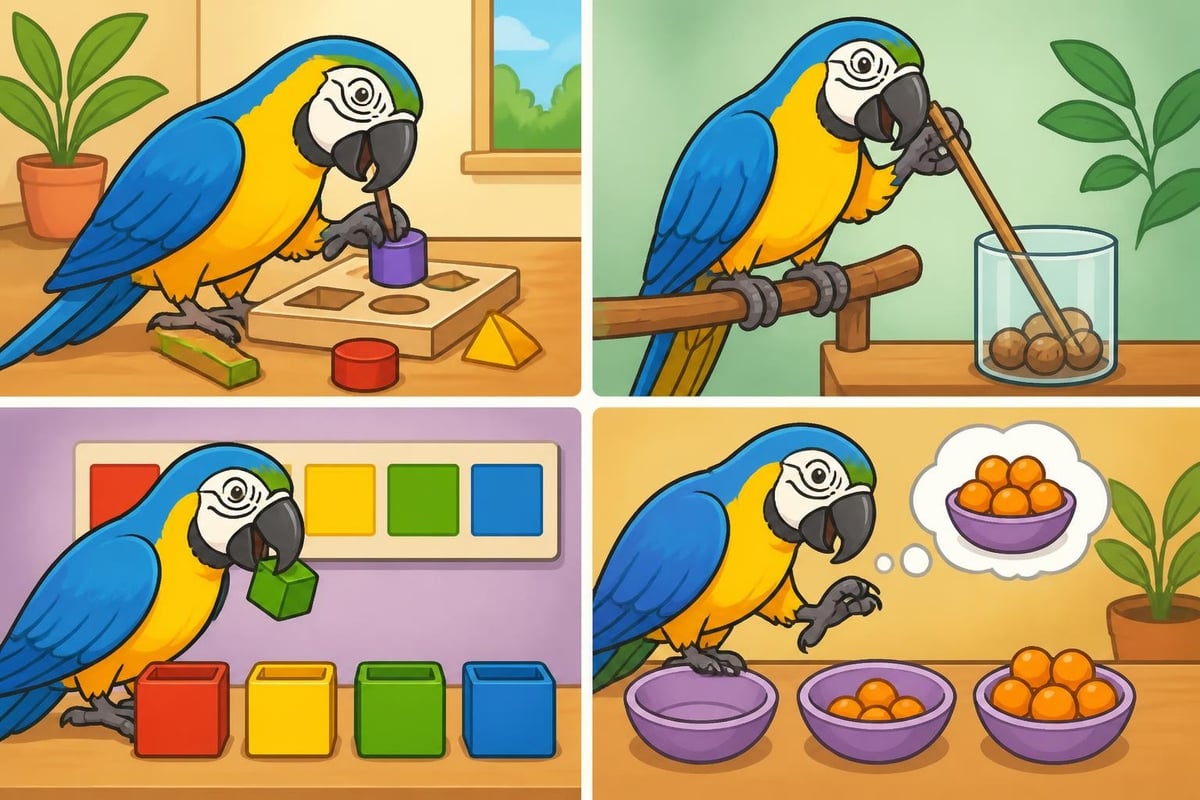
Recent research into parrot cognition shows these birds are capable of complex reasoning and problem-solving. They can:
- Understanding cause and effect and applying it in new situations
- Using tools to reach food that would otherwise be inaccessible
- Distinguishing and naming color categories
- Recognizing numbers and demonstrating basic counting skills
The African Grey parrot, one of the most studied species, has even been shown to recognize itself in a mirror. This indicates a level of self-awareness observed in only a few animal species.
Communication and social bonding
A parrot doesn't learn to talk just to impress. Research on parrot cognition shows these birds use communication to strengthen social bonds and express emotions. In the wild, parrots live in complex social groups where communication is crucial for survival.
When your parrot calls your name or whistles a song, it's often an attempt to interact. They use sound to get attention, show affection, or even mark their territory. This social intelligence makes them great companions but also demands a lot from their caretakers.
Choosing the right species for your situation
Just as you can choose from many types of calendars for every purpose at Kalenderwinkel.nl, there are also countless parrot species each with their own character and needs. The choice of a particular species should fit your lifestyle, living space and available time.
| Species | Size | Noise level | Life expectancy | Suitable for beginners |
|---|---|---|---|---|
| Budgerigar | Small | Moderate | 5-10 years | Yes |
| African Grey | Large | High | 40-60 years | No |
| Senegal Parrot | Medium-sized | Moderate | 25-30 years | Yes |
| Macaw | Very large | Very high | 50-80 years | No |
| Cockatoo | Large | Very high | 40-70 years | No |
Parrots for beginners
If you're considering a parrot for the first time, it's wise to start small. Purchasing a parrot or budgie requires careful consideration. Smaller species like Senegal parrots or Pionus parrots combine an affectionate nature with less extreme demands in terms of space and attention.
The African Grey (Grey Parrot) is known as one of the most intelligent species, but this intelligence brings challenges. They need a great deal of mental stimulation and can develop behavioral problems when bored or lonely.
Daily care and welfare
A healthy parrot is a happy parrot. Daily care goes far beyond refilling food and water. It is a commitment that requires structure and dedication, similar to how you plan and organize daily tasks with a planner or calendar.
Feeding and nutrition
A parrot's nutritional needs are complex and varied. Scientifically backed nutrition advice shows that seeds alone are not sufficient. A complete diet includes:
- High-quality pellets as the base (60-70% of the diet)
- Fresh vegetables such as broccoli, carrot and bell pepper (20-25%)
- Fruit in limited amounts due to the sugar content (5-10%)
- Nuts and seeds as treats and enrichment (5%)
- Fresh branches from untreated fruit trees for chewing
Water should be refreshed daily. Some parrots enjoy playing in their water dish, which means you may need to provide fresh water several times a day.
Creating the right living environment
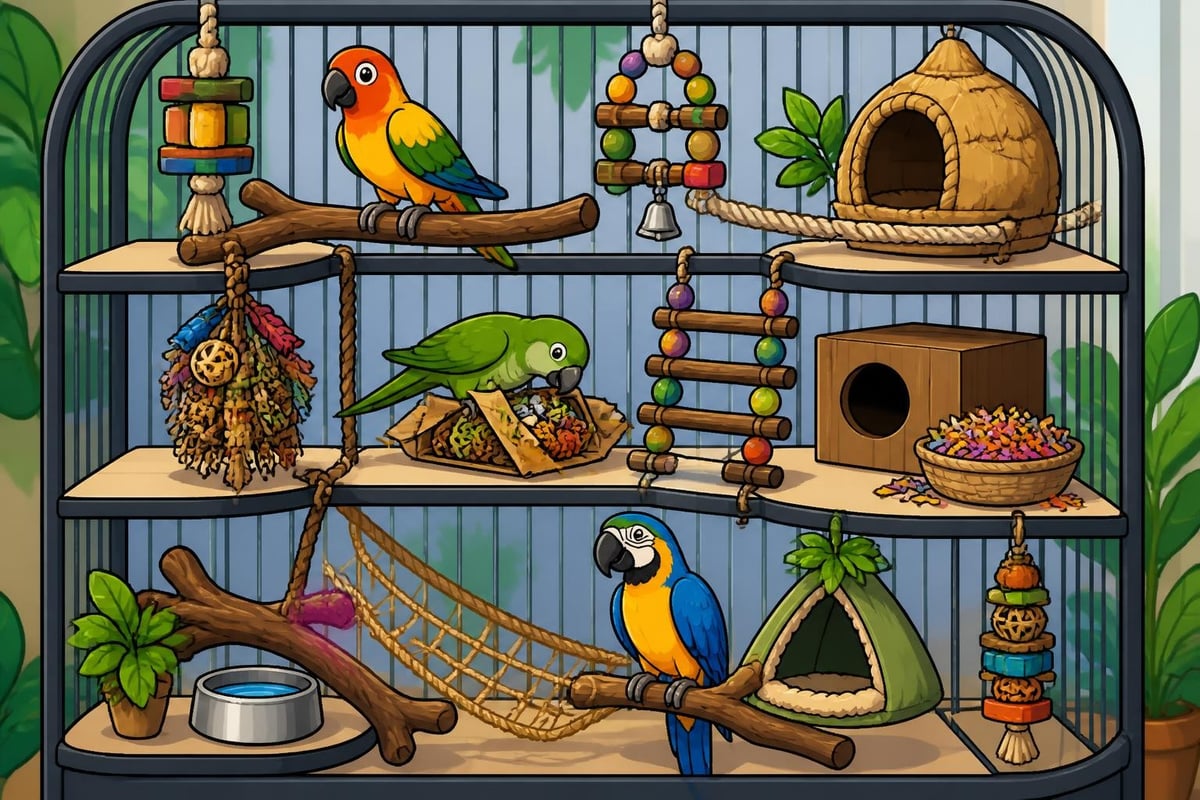
A cage is not just a shelter, it is the home base of your feathered friend. Minimum cage size depends on the species, but the rule is: the bigger, the better. For a medium-sized parrot, aim for at least 90 x 90 x 120 cm.
Within the cage, variety and enrichment are essential:
- Different types of perches in varying thicknesses
- Toys that are rotated regularly
- Swinging elements for movement
- Chewable material for beak maintenance
- A sheltered sleeping spot for resting moments
Social needs and behavior
A parrot is naturally a flock bird. In the wild this bird would never be alone, but part of a group that forages, plays and communicates together. This social instinct does not disappear when a parrot lives in captivity.
Daily interaction and training
Just as you check your schedule daily to stay on track, your parrot needs daily interaction to remain emotionally healthy. A minimum of two to three hours of social time per day is necessary for most species.
Training is not only fun but also mentally stimulating. Start with simple commands:
- Step up: the basis of handling
- Step off: for safe repositioning
- Stay: to control impulsive behavior
- Come: for recall when flying free
Positive reinforcement works best. Use small pieces of favorite treats as rewards and celebrate every successful moment. Punishment is counterproductive and damages trust.
Recognizing feather plucking and stress behavior
When a parrot is unhappy, it often shows it dramatically. Feather plucking is one of the most common signs of stress. Dierenbescherming Nederland warns about the complexity of parrot care and the welfare problems that can arise.
Other signs of stress include:
- Constant screaming or shrill cries
- Aggressive behavior toward caregivers
- Refusal to eat
- Excessively quiet and withdrawn behavior
- Stereotypical movements such as rocking back and forth
Protection and responsibility
Keeping a parrot carries ethical responsibilities. Many parrot species are threatened in the wild, partly due to habitat loss but also because of illegal trade. BirdLife International reports on the alarming scale of the global bird trade and its impact on wild populations.
Responsible purchase
When you decide to acquire a parrot, there are important steps to act responsibly:
- Buy only from recognized breeders with registration
- Ask for the CITES papers for protected species
- Have the bird veterinarily examined before purchase
- Check the ring registration and origin
- Ask about the socialization process of the young birds
A hand-reared parrot may seem appealing, but the Dutch Animal Protection emphasizes that being raised by parents often leads to healthier social behavior in the long run.

Parrots and the seasons
Parrots are sensitive to seasonal changes, even indoors. Their behavior can vary by season. In spring, when days get longer, they may show more breeding-related behavior. This is when you should pay extra attention to their mood and manage any aggression with understanding.
Many parrot caretakers keep a logbook of behavior patterns and events. Just as you use a yearly calendar or planner to track important dates, such a logbook helps recognize patterns. At Kalenderwinkel.nl you can find various planners that are perfect for organizing your parrot's care.
Medical care and prevention
An annual check-up with a bird-specialized veterinarian is not a luxury but a necessity. Parrots naturally hide signs of illness because weakness in the wild makes them targets for predators. By the time illness becomes visible, it is often already advanced.
Common health problems
| Condition | Symptoms | Prevention |
|---|---|---|
| Psittacosis | Respiratory problems, lethargy | Hygiene, quarantine new birds |
| Aspergillosis | Heavy breathing, wheezing | Good ventilation, dry environment |
| Fatty liver | Weight gain, lethargy | Varied diet, exercise |
| Zinc poisoning | Vomiting, neurological symptoms | Safe toys, controlled environment |
| PBFD | Feather problems, immune issues | Breeding inspection, isolate sick birds |
Signs that require immediate action
Some symptoms require immediate veterinary care:
- Heavy or wheezing breathing
- Blood in feces or vomit
- Lethargy with fluffed feathers
- Refusal of food and water
- Neurological symptoms such as head tilting
Parrots through the years
The relationship with a parrot evolves over the years. The young, playful bird you adopted grows into a wise being with its own personality and preferences. BirdLife International emphasizes that parrots are among the longest-lived bird species in the world.
The early years: bonding and training
In the first year of life a parrot lays the foundation for its future behavior. Socialization with different people, exposure to new sounds and situations, and learning basic commands are crucial. This period requires a lot of patience but largely determines how easily your parrot will adapt later.
The middle years: stability and deepening
Between years five and twenty (depending on the species) a parrot reaches its adult personality. These are often the most rewarding years, when the bond is deep and you know each other thoroughly. Routines are established, trust is built, and you communicate with ease.
The senior years: adjustments and care
Older parrots need adapted care. Arthritis can make perches painful, making softer or thicker perches necessary. Their diet may need adjusting with supplements. Extra warmth may be required because their temperature regulation becomes less efficient.
The emotional journey of parrot care
No one tells you that a parrot can break your heart and heal it on the same day. Their long lifespan means they witness the most important moments in your life. They are there when you move, when relationships begin and end, when children are born and grow up.
The commitment to a parrot is comparable to planning your life over multiple decades. Just as people use themed calendars to bring structure to their year, parrot care requires long-term planning. From holiday arrangements to financial provisions for veterinary costs, everything must be thought through.
When it gets difficult
There will be moments when you wonder if you made the right choice. When your parrot starts calling at five in the morning, when your furniture gets damaged, or when your vacation plans are limited. These are the moments you return to the reasons you started this journey.
The look in those intelligent eyes, the soft feel of feathers against your cheek when your parrot presses its head to you, the cheerful song that greets you, the funny antics performed just for you. These are the moments that make it all worthwhile.
Enrichment and toys
A bored parrot is a destructive parrot. Mental and physical stimulation are essential for well-being. Rotating toys keeps interest alive. Invest in different types:
- Foraging toys: hide treats in puzzles
- Chew materials: natural branches, cardboard, leather
- Manipulative toys: bells, rings, chains
- Comfort items: swings, tents, sleeping huts
- Noise toys: bells, rattles (in moderation)
Homemade toys are often the most popular. A simple cardboard box filled with crumpled paper can provide hours of entertainment. Pay attention to safety: avoid toxic materials, small parts that can be swallowed, and zinc-containing metals.
The future of parrot care
As our understanding of parrots’ needs grows, care standards also evolve. More pet owners are seeking evidence-based information and are willing to invest in optimal conditions. This is positive for the well-being of these intelligent creatures.
At the same time, awareness about conservation is growing. Protecting wild parrot populations and their habitat is crucial. By promoting responsible ownership and only acquiring legally bred birds, we contribute to a sustainable future for these beautiful species.
A parrot brings color, sound, and personality into your life in a way few other animals can match. These intelligent, social creatures require a lot but give back unconditionally in devotion and companionship. Whether you’re considering bringing a parrot into your home or have lived with your feathered friend for years, every day is an adventure. To organize all the care, check-ups, and special moments with your parrot, you’ll find a wide range of 2027 calendars and planners at Kalenderwinkel.nl to help you stay organized.


Related categories

Blog posts
-

, by Kalenderwinkel.nl Mopshond: all about this charming dog breed
-

, by Kalenderwinkel.nl Parrot: colorful roommate for years of enjoyment
-

, by Kalenderwinkel.nl English Cocker Spaniel: Character, Care, and Tips
-

, by Kalenderwinkel.nl Rhodesian Ridgeback: everything about this unique dog breed


